
VoIP Systems
VoIP Systems covers everything you need to understand and choose modern internet-based phone solutions. Learn what VoIP is, how cloud-based VoIP systems work, and how to handle VoIP phone setup for business or personal use.
Explore comparisons of the best VoIP providers and options for the best VoIP for small business, along with key VoIP phone service features and how to get a VoIP phone number. We also break down technical topics like SIP trunking explained, VoIP call quality, and potential VoIP security risks.
Stay ahead with insights into the future of VoIP technology and build a reliable, scalable communication system.

The Future of VoIP Technology
Voice over Internet Protocol has evolved beyond simple phone service into an AI-powered, 5G-enabled communications platform. Learn how artificial intelligence, browser-native calling, and unified communications are reshaping business telephony, and what your company should prepare for as these technologies mature.
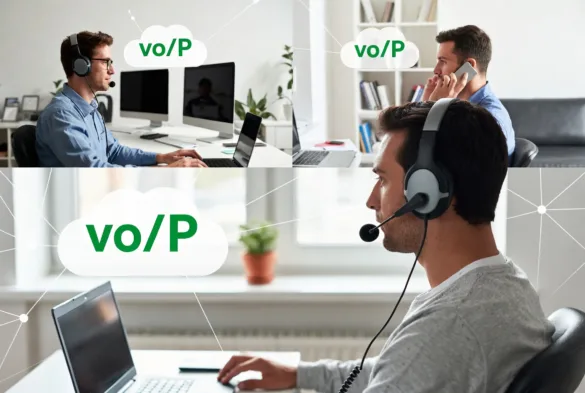
How to Choose the Best VoIP Providers?
Switching to VoIP can cut communication costs by 40-60%, but only with the right provider. This guide covers reliability factors, feature comparisons, pricing models, and evaluation strategies to help you choose from 300+ VoIP vendors based on your business size and needs.

What Is a VoIP Phone Number?
A VoIP phone number routes calls over the internet instead of traditional lines, offering cost savings of 40-60% and flexibility to use the same number across devices. This guide covers how VoIP numbers work, types available (local, toll-free, DID), how to get one, porting your existing number, and comparisons with traditional phones.

VoIP Phone Service Features Explained
Modern business communication demands more than dial tone and voicemail. Voice over Internet Protocol delivers advanced capabilities like intelligent call routing, CRM integration, and detailed analytics that transform phone systems from utilities into strategic assets.

How to Choose the Best VoIP for Small Business?
Modern phone systems have evolved far beyond desk phones tethered to copper lines. VoIP technology now powers communication for millions of small businesses across the United States, offering flexibility that traditional phone systems simply can't match. This guide breaks down practical considerations, real costs, and common pitfalls.

VoIP Security Risks
VoIP systems face $28 billion in annual fraud losses. This comprehensive guide covers common threats like toll fraud and eavesdropping, vulnerabilities hackers exploit, encryption protocols (SRTP, TLS, ZRTP), and practical security measures including real-time monitoring, geographic restrictions, and employee training.

SIP Trunking Explained for Business Communication
SIP trunking delivers telephone services over the internet, replacing traditional phone lines with virtual connections that reduce costs by 30-50%. This guide explains how the technology works, what infrastructure you need, and how to choose providers that ensure reliable business communications.

How to Improve VoIP Call Quality?
Poor VoIP call quality damages client relationships and wastes time. This guide explains what causes audio problems like latency, jitter, and packet loss—and provides practical solutions to diagnose and fix them. Learn bandwidth requirements, QoS configuration, and equipment upgrades that deliver clear calls.
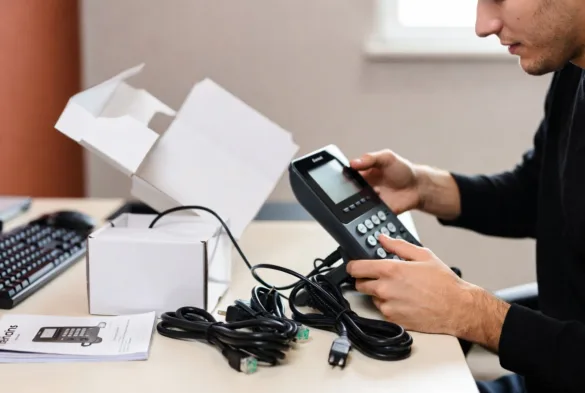
How to Set Up a VoIP Phone in 5 Simple Steps?
Setting up a VoIP phone doesn't require advanced technical skills, but it does demand attention to detail. This guide walks through hardware installation, network configuration, SIP settings, and testing to ensure reliable call quality for business or home use.