
Ecommerce has reshaped how Americans shop, work, and run businesses. Whether you’re buying groceries on your phone or running an online store from your living room, you’re participating in a digital economy that now accounts for a significant chunk of retail sales. Understanding what ecommerce is—and how it actually functions—matters whether you’re a consumer, aspiring entrepreneur, or business owner looking to expand online.
Ecommerce Definition and Core Meaning
At its simplest, ecommerce (short for electronic commerce) means buying and selling goods or services over the internet. The ecommerce meaning extends beyond just clicking “buy now” on a website—it encompasses the entire digital infrastructure that makes online transactions possible, from browsing product catalogs to processing payments and arranging delivery.
The ecommerce definition distinguishes itself from traditional brick-and-mortar retail in several key ways. Physical stores require customers to visit a location during business hours. Ecommerce operates 24/7, reaching customers anywhere with internet access. Traditional retail relies on face-to-face interaction and immediate product handoff. Ecommerce substitutes digital interfaces and shipping logistics.
When someone asks what is e-commerce, they’re really asking about a transaction model where digital technology replaces physical presence. A customer in Maine can purchase handmade soap from a seller in Oregon without either party leaving home. The digital transaction process involves several steps: the customer browses products on a website or app, adds items to a virtual shopping cart, enters shipping information, provides payment details through a secure gateway, and receives confirmation. The seller then fulfills the order and ships it, with tracking information flowing back to the buyer.
This model differs fundamentally from catalog shopping or phone orders because the entire process—discovery, research, purchase, and post-sale support—happens through connected digital systems that communicate in real-time.
How Ecommerce Works Behind the Scenes
Understanding how ecommerce works requires following both the visible customer journey and the invisible technical processes that support it.
When a customer lands on an online store, they’re interacting with a storefront—software that displays products, manages inventory counts, and handles user accounts. As they browse, the system tracks their behavior (items viewed, time spent, search terms) to improve recommendations and inform the seller’s marketing.
Adding a product to the cart triggers inventory checks. Modern systems reserve that item temporarily, preventing overselling. When the customer proceeds to checkout, they enter shipping details. The system calculates shipping costs by communicating with carrier APIs, factoring in package weight, dimensions, destination, and delivery speed.
Payment processing is where ecommerce explained gets technical. When a customer enters credit card information, that data passes through a payment gateway—a service that encrypts the information and routes it to the payment processor. The processor contacts the customer’s bank to verify funds and check for fraud. If approved, funds move from the customer’s account to a merchant account, minus processing fees (typically 2.9% plus $0.30 per transaction for most US payment processors in 2026).
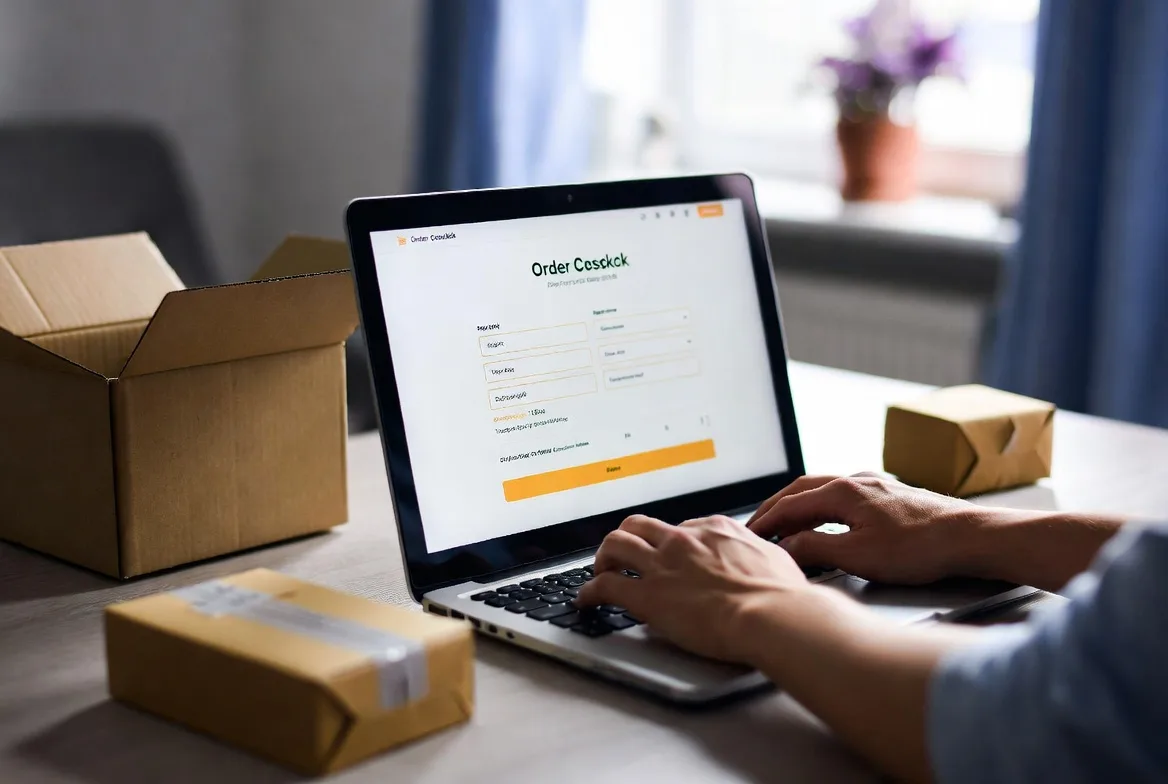
This entire payment verification happens in seconds. Once confirmed, the order moves to fulfillment. For businesses managing their own inventory, this means picking the product from warehouse shelves, packing it, printing a shipping label, and handing it to a carrier. For dropshipping operations, the order details automatically forward to a supplier who ships directly to the customer.
Throughout this process, automated emails keep the customer informed: order confirmation, shipping notification with tracking number, and delivery confirmation. The seller’s system updates inventory counts, records the transaction for accounting, and may trigger reorder alerts if stock runs low.
A common mistake new sellers make is underestimating the complexity of returns. A complete ecommerce operation needs reverse logistics—systems for processing returns, restocking inventory, and issuing refunds—which can consume 15-20% of revenue for apparel retailers.
Main Types of Ecommerce Business Models
The types of ecommerce break down primarily by who’s selling to whom. Each model has distinct characteristics, challenges, and economics.
B2B Ecommerce
B2B ecommerce (business-to-business) involves companies selling to other companies. A restaurant supply company selling bulk ingredients to restaurant chains operates B2B ecommerce. So does a manufacturer selling components to electronics assemblers.
B2B transactions typically involve larger order values, longer sales cycles, and more complex pricing. A B2B buyer might need to compare specifications across dozens of products, request custom quotes, get approval from multiple departments, and negotiate payment terms. B2B ecommerce platforms accommodate this with features like bulk pricing tiers, quote requests, purchase order integration, and multi-user accounts with different permission levels.
The US B2B ecommerce market has grown substantially, with many traditional wholesalers and distributors moving online to compete with platforms like Amazon Business. Average B2B order values often exceed $500, compared to $50-100 for consumer purchases.
B2C Ecommerce
B2C ecommerce (business-to-consumer) is what most people picture when they think of online shopping. Companies sell directly to individual consumers. Target.com, Warby Parker, and your local bakery’s online ordering system all operate B2C models.
B2C focuses on user experience, fast checkout, and emotional appeal. Transactions are smaller but more frequent. Marketing emphasizes lifestyle, convenience, and instant gratification. The challenge lies in customer acquisition costs—spending $30 on ads to acquire a customer who makes a $50 purchase isn’t sustainable unless that customer returns multiple times.
B2C ecommerce platforms prioritize mobile optimization (over 60% of US ecommerce traffic comes from mobile devices in 2026), simple navigation, and fast page loads. Abandoned cart recovery, personalized recommendations, and loyalty programs are standard tools.

C2C and D2C Models
C2C (consumer-to-consumer) ecommerce enables individuals to sell to other individuals, usually through marketplace platforms. eBay, Facebook Marketplace, Poshmark, and Craigslist facilitate C2C transactions. The platform provides the infrastructure, handles payments, and often offers dispute resolution, taking a percentage of each sale or charging listing fees.
C2C works well for used goods, collectibles, handmade items, and products with subjective value. Sellers avoid the overhead of building their own ecommerce infrastructure, but they also face intense competition and limited control over the customer relationship.
D2C (direct-to-consumer) describes manufacturers selling directly to end customers, bypassing traditional retail channels. A mattress company that manufactures its own products and sells exclusively through its website operates D2C. This model gained popularity because it eliminates retailer markups, allowing lower prices or higher margins.
Casper (mattresses), Glossier (cosmetics), and Allbirds (shoes) built successful D2C brands by controlling the entire customer experience, from manufacturing to marketing to delivery. The trade-off is that D2C companies must handle all aspects of ecommerce themselves—website development, customer acquisition, fulfillment, and customer service—without the built-in traffic that retail partnerships or marketplaces provide.
| Model | Target Customer | Transaction Volume | Examples | Typical Platform |
|---|---|---|---|---|
| B2B | Other businesses | High value, lower frequency | Industrial suppliers, wholesale distributors, SaaS companies | Custom platforms, Shopify Plus, BigCommerce Enterprise |
| B2C | Individual consumers | Lower value, higher frequency | Clothing retailers, electronics stores, meal kits | Shopify, WooCommerce, Squarespace |
| C2C | Individual to individual | Variable, often used goods | eBay, Poshmark, Facebook Marketplace | Marketplace platforms |
| D2C | End consumers (bypassing retailers) | Medium value, building repeat business | Warby Parker, Casper, Dollar Shave Club | Shopify, custom builds |
Real-World Ecommerce Examples by Category
Looking at ecommerce examples across different industries shows how versatile this business model has become.
Physical product retail: Chewy sells pet supplies exclusively online, offering autoship subscriptions that deliver food and supplies on schedule. They’ve built a $10+ billion business without physical stores by focusing on customer service and convenience.
Digital products: Udemy sells online courses, delivering the product instantly after purchase with no shipping or inventory management. The marginal cost of selling one more course is nearly zero, allowing for frequent discounts and bundle deals.
Services: Rover connects pet owners with dog walkers and sitters. The platform handles booking, payment, and insurance while taking a service fee. The actual service delivery happens offline, but ecommerce infrastructure makes the marketplace possible.
Subscriptions: HelloFresh delivers meal kits weekly. Customers choose recipes online, and the company ships pre-portioned ingredients. The subscription model provides predictable revenue and improves customer lifetime value compared to one-time purchases.
Hybrid models: Best Buy operates stores nationwide but generates substantial revenue from BestBuy.com, offering options like buy-online-pickup-in-store that blend digital convenience with physical locations.
B2B services: Slack sells team communication software primarily through its website, with pricing that scales based on users. Customers can try the product, upgrade, and manage billing entirely online without talking to a salesperson.
Handmade and custom: Etsy provides a marketplace where individual creators sell handmade or vintage items. A ceramicist in Vermont can reach customers nationwide without building their own ecommerce site.
These examples show that ecommerce isn’t limited to any particular industry or product type. The common thread is using digital platforms to facilitate transactions that would otherwise require physical presence or traditional sales channels.
Key Components of an Ecommerce Business
Running a successful ecommerce operation requires several interconnected systems working together.
Storefront/Platform: This is the customer-facing website or app where products are displayed. Options range from hosted platforms (Shopify, BigCommerce) that handle technical infrastructure to open-source solutions (WooCommerce, Magento) that offer more customization but require technical expertise. The storefront must be fast, mobile-friendly, and secure. Google penalizes slow sites in search rankings, and customers abandon sites that take more than three seconds to load.
Payment Processing: You need a way to accept credit cards, digital wallets (Apple Pay, Google Pay), and increasingly, buy-now-pay-later services (Affirm, Klarna). Payment processors charge per-transaction fees, so high-volume businesses can often negotiate better rates. You’ll also need to handle payment security (PCI compliance) and fraud prevention.
Inventory Management: Tracking what you have, where it’s located, and when to reorder prevents stockouts and overselling. Basic systems update inventory counts after each sale. Advanced systems integrate with suppliers for automatic reordering, track inventory across multiple warehouses, and forecast demand based on historical sales patterns.
Marketing: Ecommerce businesses typically use a mix of channels—search engine optimization (SEO) to attract organic traffic, paid search ads (Google Ads), social media advertising (Facebook, Instagram, TikTok), email marketing to engage past customers, and content marketing to build authority. Customer acquisition cost (CAC) varies widely by industry but often ranges from $20-200 per customer.
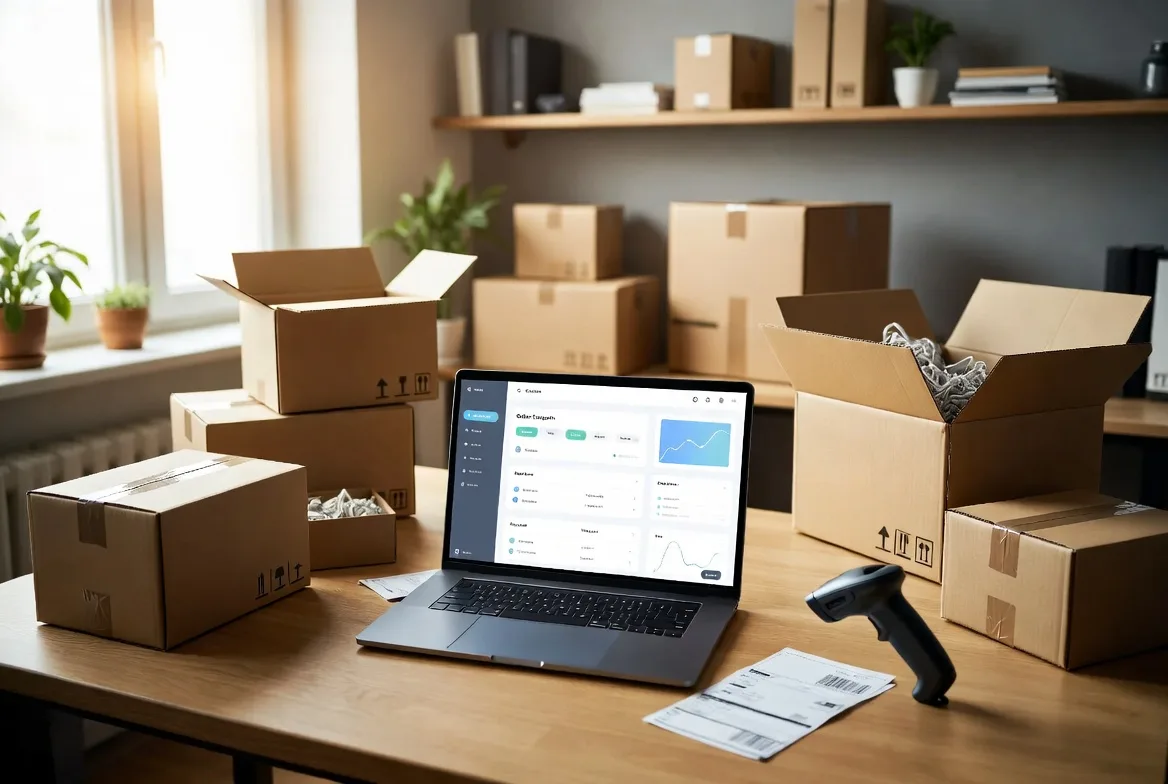
Customer Service: Handling questions, processing returns, and resolving complaints happens through email, live chat, phone, or social media. Many ecommerce businesses use helpdesk software (Zendesk, Gorgias) to manage customer communications across channels. Response time matters—customers expect replies within hours, not days.
Shipping and Fulfillment: This includes warehouse space, packing materials, shipping software that compares carrier rates, and relationships with carriers (USPS, UPS, FedEx). Some businesses use third-party logistics (3PL) providers who handle storage and shipping for a per-order fee. Others use fulfillment services like Amazon FBA, where Amazon stores, packs, and ships products.
The mistake many beginners make is underestimating how these components interconnect. A great website means nothing if you can’t fulfill orders reliably. Low prices don’t matter if customers can’t find your site. Each component requires investment—either money, time, or both.
Benefits and Challenges of Ecommerce
Ecommerce offers genuine advantages for both businesses and consumers, but it comes with real trade-offs.
For businesses, the primary benefit is access to a much larger market. A store in rural Montana can sell to customers in New York City. Operating costs are often lower—no rent for retail space, smaller staff, no geographic limitations on where you can operate. Ecommerce businesses can test new products quickly, gathering data on what sells before committing to large inventory purchases.
Data visibility is another advantage. Every click, view, and purchase generates data that helps optimize marketing, pricing, and product selection. A/B testing lets you try different product descriptions, images, or layouts to see what converts better.

However, customer acquisition is expensive and getting more so. Facebook ad costs have increased substantially, and iOS privacy changes have made targeting less precise. Competition is intense—customers can compare prices across dozens of competitors in seconds. Profit margins are often thin, especially for businesses selling commodity products.
Logistics can be brutal. Shipping costs eat into margins, especially for heavy or bulky items. Customers expect fast, cheap (or free) shipping, which is expensive to provide. Returns are costly—you pay shipping both ways and may not be able to resell the returned item.
For consumers, ecommerce offers convenience and selection. You can shop at 2 AM in your pajamas, compare dozens of options, read reviews, and have products delivered to your door. Prices are often lower due to reduced overhead and easy comparison shopping.
The downsides include inability to physically examine products before purchase, shipping wait times, and the hassle of returns. Data privacy is a concern—ecommerce sites track browsing behavior and purchase history. Package theft is a growing problem in many neighborhoods.
The honest assessment is that ecommerce works extremely well for certain products and situations, but it’s not universally superior to traditional retail. Groceries, furniture, and clothing—items where touch, fit, or freshness matter—still present challenges despite billions in investment trying to solve them.
Ecommerce has fundamentally democratized entrepreneurship, giving anyone with an internet connection the ability to reach customers globally without the capital requirements of traditional retail.
Sarah Chen
FAQs
Ecommerce is the broad category of buying and selling online. A marketplace is a specific type of ecommerce where a platform (like Amazon or Etsy) hosts multiple sellers. When you sell on your own website, you’re doing ecommerce but not using a marketplace. When you sell on Amazon, you’re using their marketplace. Marketplaces provide built-in traffic but charge fees (typically 15-30% of each sale) and limit your control over branding and customer relationships.
Requirements vary by state and locality, but most US jurisdictions require some form of business registration if you’re operating for profit. At minimum, you’ll typically need a business license from your city or county, and you may need a seller’s permit to collect sales tax. If you’re operating as anything other than a sole proprietorship, you’ll need to register your business structure (LLC, corporation) with your state. Consult with a local attorney or accountant to ensure compliance—penalties for operating without proper licenses can be substantial.
Shopify dominates with roughly 30% of the US ecommerce platform market in 2026, known for ease of use and extensive app ecosystem. WooCommerce (a WordPress plugin) is popular for businesses that want more control and already use WordPress. BigCommerce targets growing businesses with built-in features that reduce reliance on apps. Squarespace works well for small businesses prioritizing design. Wix offers simplicity for beginners. Amazon and eBay function as both marketplaces and platforms. The “best” platform depends on your technical skills, budget, and specific needs.
Minimum viable costs run roughly $500-2,000 for the first year: domain name ($10-20/year), hosting or platform subscription ($30-80/month), basic theme or design ($0-200), initial inventory ($200-1,000), and business registration fees ($50-500). However, most successful stores invest significantly more in inventory, professional design, photography, and marketing. A realistic budget for a serious ecommerce business is $5,000-15,000 for the first year, with the majority going to inventory and customer acquisition. Dropshipping reduces upfront inventory costs but typically has lower margins.
Yes, dropshipping is an ecommerce fulfillment model where you sell products on your website but don’t hold inventory. When a customer orders, you purchase the item from a third-party supplier who ships directly to the customer. You never touch the product. Dropshipping lowers startup costs and risk since you don’t buy inventory upfront, but margins are typically thin (10-20%), and you have less control over product quality, shipping times, and customer experience. It’s legitimate ecommerce, though it’s become harder to profit from as competition has intensified.
Most US ecommerce sites accept major credit cards (Visa, Mastercard, American Express, Discover) and debit cards. Digital wallets like PayPal, Apple Pay, Google Pay, and Shop Pay are increasingly standard, offering faster checkout. Buy-now-pay-later services (Afterpay, Klarna, Affirm) have grown popular, especially for purchases over $100. Some sites accept ACH bank transfers, cryptocurrency, or payment apps like Venmo. Offering multiple payment options can increase conversion rates—some customers abandon carts if their preferred payment method isn’t available. Payment processing fees typically range from 2.5-3.5% plus a fixed fee per transaction.
Ecommerce has evolved from a novelty to the default way many Americans shop and do business. Whether you’re looking to start an online store, understand how your favorite retailers operate, or simply make more informed purchasing decisions, grasping the fundamentals of how ecommerce works provides valuable insight into the modern economy.
The models, platforms, and technologies will continue evolving, but the core concept remains: connecting buyers and sellers through digital infrastructure that makes transactions more convenient, efficient, and accessible than ever before. Success in ecommerce requires understanding not just the technology, but the economics, logistics, and customer psychology that determine which businesses thrive and which struggle despite having technically functional websites.
For aspiring entrepreneurs, the barrier to entry has never been lower, but neither has the competition been fiercer. For consumers, ecommerce offers unprecedented convenience and choice, with the trade-off of reduced tactile experience and increased data sharing. Understanding these dynamics helps both groups make better decisions in an increasingly digital marketplace.