
Think you need $50,000 and a warehouse to sell products online? Dropshipping flips that assumption on its head. Here’s the deal: you run an online store, customers buy from you, but you never touch the inventory. Your supplier—sitting in a warehouse somewhere—handles storage, packing, and shipping while you focus on finding customers and making sales.
Sounds simple, right? That’s why everyone and their cousin tries it. But here’s what most people miss: low startup costs also mean brutal competition. You’re competing against thousands of stores selling identical products, often from the same suppliers. Winning means getting smart about marketing, picking the right products, and managing customer expectations when packages take two weeks to arrive.
What Is Dropshipping?
Picture this: Someone buys a phone case from your website for $29.99. You don’t own that phone case. You’ve never seen it. Instead, you immediately turn around and buy it from your supplier for $12, giving them your customer’s shipping address. The supplier packages it up and sends it straight to your buyer. You pocket the difference—that’s dropshipping.
You’re essentially the marketing department and customer service desk combined into one. The supplier runs the warehouse operation. Your job involves building the website, driving traffic through ads or social media, answering customer emails, and handling complaints when shipments arrive late or products break.
Here’s what makes this different from how Target or Walmart operates: Those retailers buy 10,000 units at once, store them in distribution centers, and ship from their own facilities. You? You buy one unit at a time, only after someone’s already paid you for it.
Let me give you a real scenario. Say you’re selling yoga mats. A customer orders one for $45. You log into your supplier’s platform and purchase that exact mat for $22 including shipping. The supplier boxes it up—hopefully without their logo all over the package—and ships it out. Your gross profit is $23. Sounds great until you remember that Facebook ad cost you $15, Shopify charges you monthly fees, and PayPal takes their 2.9% cut.
The math changes everything once you factor in real costs.
How Dropshipping Works: The Step-by-Step Process
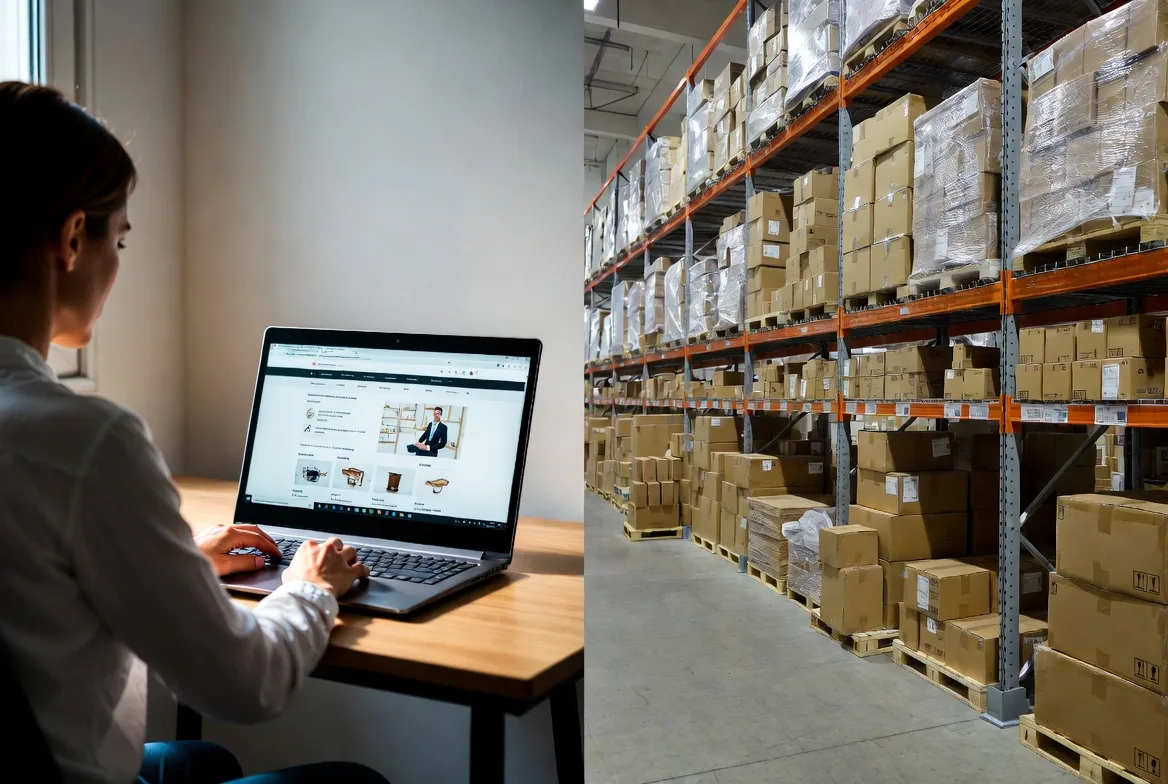
Let’s walk through what actually happens from the moment someone clicks “Buy Now” on your store.
First, your customer browses your Shopify store (or whatever platform you chose). They add items to their cart—let’s say a set of resistance bands. They enter their credit card info and complete checkout. Stripe or PayPal processes the payment, and the money hits your merchant account. Well, sort of. If you’re new, payment processors often hold funds for 5-7 days as a safety measure.
Now you’ve got their money, but you need to get them their product. You head over to your supplier’s website—maybe AliExpress, maybe a private supplier you found. You place an order using the customer’s shipping details. You pay the wholesale price of $14 plus $4 shipping. Some people automate this part with apps like Oberlo or DSers that sync orders automatically, but plenty of dropshippers still do it manually, especially when starting out.
Your supplier gets the order notification. In their warehouse, someone picks the resistance bands off a shelf, wraps them in bubble wrap, slaps on a shipping label, and hands them to the postal service or a courier. The supplier emails you a tracking number—sometimes within hours, sometimes after a few days of processing.
You forward that tracking number to your customer through an automated email: “Great news! Your order has shipped. Track it here…” Then you wait. And hope. Hope the package arrives on time. Hope the product looks like the pictures. Hope your customer doesn’t need to contact you about problems.
When everything works perfectly, the customer receives their bands, loves them, and maybe even leaves a five-star review. When things go wrong—damaged package, wrong color, stuck in customs—you’re the one who hears about it, even though you had zero control over fulfillment.
The Role of Each Party
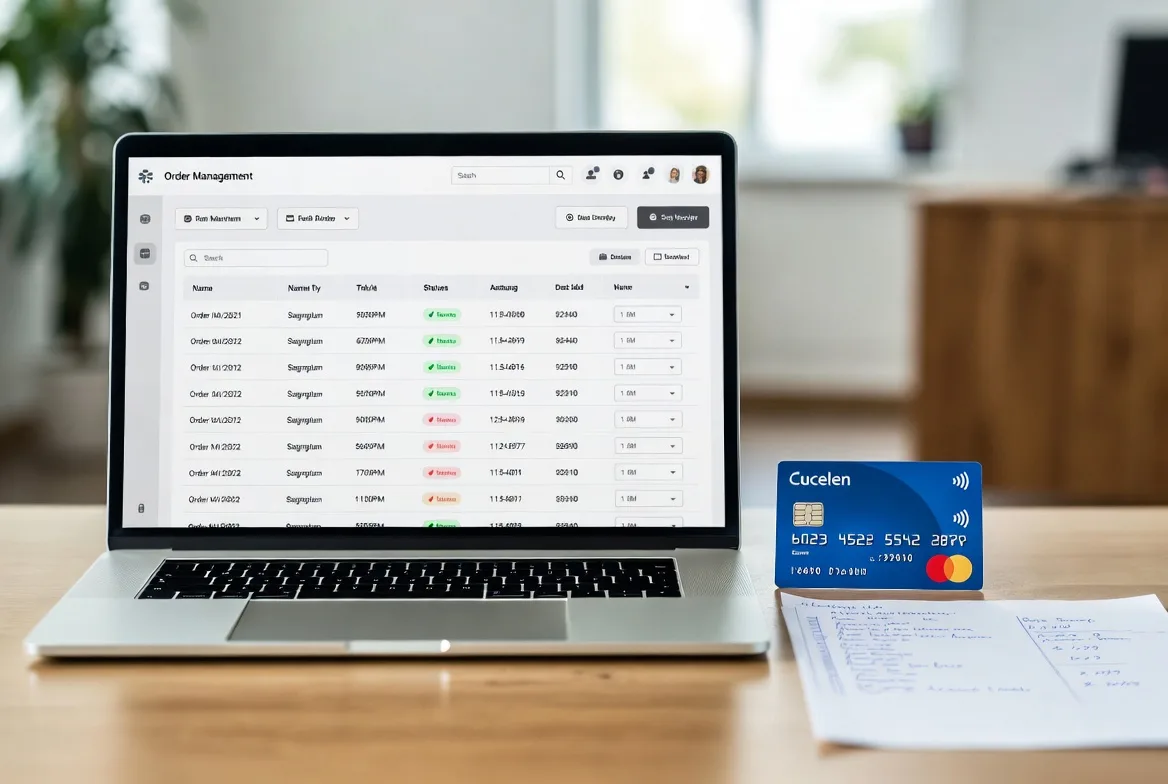
Three players make every dropshipping sale happen, and their goals don’t always align.
Your customer expects Amazon-level service because that’s what they’re used to. They want their resistance bands in 2-3 days, not 2-3 weeks. They want easy returns. They want someone to answer their questions quickly. They don’t care that you’re dropshipping—they just see your brand name and hold you responsible for everything.
You, the store owner, wear multiple hats. You’re the marketer figuring out which Facebook ads convert. You’re the copywriter crafting product descriptions. You’re customer service responding to “Where’s my order?” emails at 10 PM. Your revenue comes from charging $35 for something that costs $18. But you’re also the one eating the cost when customers request refunds or when ad campaigns flop.
The supplier runs the actual logistics. They stock thousands of products, manage warehouse space, handle quality control (hopefully), and ship orders. They make money on volume—selling hundreds of $14 resistance band sets daily to dozens of different dropshippers. Good suppliers update inventory counts in real-time, ship within 48 hours, and communicate proactively about delays. Bad suppliers? They ghost you after taking your money, ship defective products, or suddenly go out of business without warning.
This relationship works smoothly when everyone manages expectations. It falls apart when customers expect overnight shipping from suppliers based in Guangzhou, or when suppliers cancel orders days after you’ve already charged the customer.
Order Fulfillment Timeline
Let’s talk real numbers, because “ships fast” means different things to different people.
Domestic US suppliers typically process orders in 1-2 business days. Add another 2-5 days for ground shipping via USPS, UPS, or FedEx. Total time from order to doorstep: 3-7 business days. Customers tolerate these speeds. They’re paying $5-10 extra per item compared to international suppliers, but you’re paying that premium for faster delivery and fewer complaints.
Chinese suppliers through AliExpress tell a different story. Processing takes 2-5 business days because they’re often fulfilling hundreds of orders. Then your package enters the black hole of international shipping. Standard ePacket—which used to be the go-to method—takes 15-30 business days. That’s three to six weeks. Express shipping through DHL or FedEx cuts that to 7-12 days but costs $15-25 per item, completely destroying your margins on anything under $50.
Print-on-demand suppliers like Printful or Printify need time to actually create your product. They print your design on a t-shirt or mug (2-4 days), then ship it domestically (3-7 days). Total timeline: 5-11 business days. Not terrible, but you’re paying premium wholesale prices—often $15-20 for a t-shirt you sell for $29.99.
The biggest mistake? Hiding these timelines in tiny font at the bottom of your FAQ page. Put shipping estimates right on product pages and at checkout. “Arrives in 15-25 business days” filters out impatient buyers before they become angry reviewers.
Dropshipping vs Traditional Ecommerce Models
Choosing how to fulfill orders shapes everything else about your business. Here’s how the three main approaches stack up:
| Factor | Dropshipping | Traditional Ecommerce | Wholesale |
|---|---|---|---|
| Startup Costs | $200-$2,000 for website, domain, initial ad testing | $5,000-$50,000 covering inventory bulk buys, storage space, packing materials | $10,000-$100,000+ for large inventory purchases and warehousing |
| Inventory Requirements | Zero—suppliers maintain all stock | Buy and warehouse products yourself | Massive upfront investment in bulk product purchases |
| Profit Margins | 10-30% on average | 30-50% commonly achieved | 40-60% with volume discounts |
| Risk Level | Minimal money risk, huge reputation vulnerability | Moderate—you might not sell everything you buy | Substantial—capital locked in inventory for months |
| Fulfillment Control | Almost none—you’re at supplier’s mercy | Total control over packaging speed and quality | Complete oversight of entire process |
| Scalability | Adding products costs nothing, but profit-per-sale stays thin | Growth requires more inventory capital and storage space | Volume purchases dramatically improve per-unit economics |
Running a traditional ecommerce operation means you control the experience. You inspect every item before it ships. You add branded thank-you cards. You package orders within hours of receiving them. This control costs money—rent for storage space, cash tied up in inventory, your time packing boxes, or employees doing it for you.
Wholesale amplifies everything. Buy 5,000 phone cases instead of 50, and your cost-per-unit drops from $8 to $3. That’s transformative for margins. But if those phone cases don’t sell? You’re stuck with boxes of worthless inventory depreciating in your garage. Wholesale bets work beautifully when you’ve validated demand. They devastate beginners who guess wrong.

Dropshipping minimizes upfront risk. Want to test whether customers prefer blue yoga mats or purple? List both. Whichever sells better becomes your focus. No $3,000 inventory commitment required to find out. The tradeoff? You earn $8 per sale instead of $20, and you can’t control whether packages arrive on time.
Smart operators often start with dropshipping to identify winners, then switch successful products to bulk ordering. Once you know blue mats outsell purple ones 10-to-1, buying 500 blue mats at better prices makes sense. This hybrid approach tests with dropshipping’s safety net but scales with traditional ecommerce’s superior margins.
Dropshipping Pros and Cons
Every business model involves compromises. Let’s be honest about both sides.
Advantages of the Dropshipping Model
Minimal startup capital required. You can launch a legitimate store for $300-500. Shopify costs $39 monthly. A domain runs $15 annually. Throw in $200-300 for initial Facebook ad testing, and you’re operational. Compare that to traditional retail where $5,000 barely covers your first inventory order.
Work from anywhere. Your laptop and WiFi connection are your entire infrastructure. Suppliers handle the physical stuff—you manage the digital storefront. This appeals to people balancing day jobs, parents working around kids’ schedules, or anyone wanting location flexibility. I’ve known dropshippers running stores from Bali, Argentina, and their parents’ basement with equal effectiveness.
Test products without risk. Curious if cat hammocks sell? Add them to your store. If nobody buys them after two weeks, delete the listing. You risked nothing but time. Traditional retailers ordering 100 cat hammocks face a very different outcome if customers don’t want them.
Infinite product selection potential. Adding 50 new products takes an afternoon of creating listings. No warehouse expansion needed. No capital required. Your supplier already owns the inventory—you’re just connecting buyers to it. This lets you pivot quickly when trends shift or new opportunities emerge.
Minimal overhead expenses. No warehouse rent. No utility bills for storage facilities. No packing tape and bubble wrap purchases. No shipping scale or label printer needed. These savings matter enormously when you’re figuring out profitability in early months.
Disadvantages and Challenges
Margins that’ll make you cry. You pay $18 for a product you sell for $30. That $12 spread seems decent until Facebook charges $10 to acquire the customer, PayPal takes $1.20 (2.9% + $0.30), and Shopify wants their fees. You’re left with maybe $3-5 per sale. Scaling to meaningful income requires hundreds of monthly transactions.
Competition everywhere you look. Low barriers to entry mean everyone’s trying it. Scroll Instagram and you’ll see dozens of ads for the same massage gun from different stores. They’re all dropshipping from identical suppliers. Winning requires better ads, smarter targeting, or building an actual brand—not just slapping up product listings.
Inventory nightmares. Your supplier’s website shows items in stock. You sell five units. Then you get an email: “Sorry, backordered for three weeks.” Now you’re refunding customers and apologizing for delays. Or worse—you discover the stockout only when customers ask why their tracking hasn’t updated in 10 days.
Shipping gets complicated fast. Customer orders a yoga mat and a water bottle. Plot twist: they come from different suppliers. Now you’re paying shipping twice, receiving two tracking numbers, and your customer gets confused when two packages arrive on different days. Some suppliers charge $6 shipping for one item but only $2 more for additional items—but you can’t combine orders across suppliers.
Generic packaging kills brand building. Most dropshipping suppliers use plain poly mailers. No branded boxes. No thank-you cards. No memorable unboxing experience. You can’t include a note saying “Thanks for supporting our small business!” because the supplier in Shenzhen doesn’t care about your brand story. Everything arrives looking like it came straight from a warehouse—because it did.
Quality control happens after customers complain. You’re selling “premium leather wallets” based on supplier photos. Then customers receive them and discover they’re plastic. The one-star reviews pile up. Your reputation tanks. You never touched the product, so you had no idea the quality was garbage until angry emails arrived.
Everyone thinks this is passive income. It isn’t. You’re running a legitimate business with real customer service headaches. The difference between dropshipping and traditional retail is you’ve traded inventory costs for terrible margins and complete dependency on suppliers you’ve never met.
Sarah Chrisp
Your business depends entirely on suppliers. They raise prices? Your margins evaporate unless you raise prices too and risk losing customers. They discontinue your best-selling item? You scramble to find alternatives while sales plummet. They shut down without warning? You’re rebuilding your entire product catalog from scratch.
Finding and Working with Dropshipping Suppliers
Your supplier choice determines whether you build something sustainable or fight fires constantly.
Start by getting specific about what you’re selling. A supplier specializing in fitness equipment probably offers better selection, faster shipping, and more reliable stock for yoga products than some generalist platform selling everything from phone cases to garden gnomes.
Evaluate suppliers on multiple criteria. Shipping speed directly impacts your review scores and repeat purchase rates. Domestic suppliers typically ship faster but charge $15-25 wholesale for items that Chinese suppliers offer at $8-12. You’re paying for speed and customer satisfaction. Product quality requires ordering samples—always. Spend $50-100 buying the items you plan to sell. That “premium” yoga mat might be thin garbage. Better to discover this before 47 angry customers do.
Communication responsiveness predicts future headaches. Message potential suppliers with questions before committing. If they take three days to respond now, imagine how they’ll handle urgent issues when orders go wrong.
Pricing needs full transparency. Some suppliers advertise attractive prices but bury shipping costs or handling fees. Calculate your total landed cost: product price + shipping + any transaction fees. A $10 product with $8 shipping costs the same as an $18 product with free shipping, but the first option tricks you initially.
Return policies reveal quality confidence. Suppliers refusing returns or charging 20% restocking fees should raise red flags. Good suppliers stand behind their products. Ask directly about defect rates—reputable operations track this metric and will share it.
Watch for these warning signs: Suppliers demanding $500 upfront membership fees. (Legitimate suppliers make money on product sales, not memberships.) Missing or vague business addresses. (Where are they actually located?) Only showing stock photos instead of actual product images. (They might not even carry inventory.) Prices seeming impossibly low. (You’re looking at counterfeits or a scam.)
AliExpress, Spocket, SaleHoo, and similar platforms aggregate thousands of suppliers, but quality varies wildly within each platform. Read supplier reviews obsessively. Look for patterns—not overall ratings. A supplier with 94% positive feedback but consistent “shipping took forever” complaints will generate those same complaints for your customers.
Here’s a sneaky research tactic: Order from competitors. Buy products similar to what you want to sell. Examine the packaging for clues. Some dropshippers accidentally leave supplier information in boxes, revealing their sources. Even without that, you’ll see shipping times, packaging quality, and product quality firsthand.
Maintain relationships with 2-3 suppliers for your core products. This redundancy saves you when one supplier runs out of stock or quality dips. Once you’re sending them 50+ orders monthly, negotiate better terms. Many suppliers offer volume discounts or faster processing times for consistent retailers.
Test new suppliers with small orders before featuring their products prominently. Order 5-10 units to different addresses (friends, family, even yourself). Verify shipping times, packaging quality, and product accuracy before scaling up.
Is Dropshipping Profitable in 2026?
Can you actually make money doing this? Yes. Will you? That depends on execution, not just the model itself.
Profit margins typically run 10-30% of revenue before advertising costs. After paying for Facebook ads, Google ads, or influencer promotions, net profit often lands at 5-15%. A store generating $10,000 monthly might net you $800-1,500 after covering products, shipping, advertising, Shopify fees, and payment processing.
These numbers improve with scale and learning. Stores hitting $100,000 monthly often achieve 15-20% net margins through better supplier negotiations, refined advertising that lowers customer acquisition costs, and operational efficiencies. But reaching six-figure monthly revenue requires significant time investment, thousands in ad spend, and real marketing skills.
Market saturation hits certain niches harder than others. Generic iPhone cases? Forget it. Thousands of stores sell identical cases from identical suppliers, competing purely on price. Success in 2026 requires differentiation: better marketing that builds brand loyalty, tight niche focus on underserved audiences, or value-added services like expert customer support.
Niches that still work share these traits: passionate, engaged audiences (think hobbyists, not general consumers), products solving specific problems (not just “cool stuff”), and limited competition from Amazon or major retailers. Examples include specialized pet products for specific breeds, equipment for niche hobbies like disc golf or rock climbing, or products targeting specific demographics like new parents or remote workers.
Success factors that matter more than niche selection: Strong paid advertising skills, especially Facebook Ads and TikTok Ads. Excellent customer service that compensates for longer shipping times through responsive communication. Patience to test and optimize for 6-12 months rather than expecting instant results. Willingness to actually spend money on advertising rather than hoping for free organic traffic.
Most dropshipping stores fail within 12 months. Common reasons: Underestimating advertising costs. (It costs more than $50 to make meaningful sales.) Choosing oversaturated niches. (Stop selling fidget spinners.) Providing terrible customer service. (Answer emails within 24 hours.) Giving up after one month. (Nothing works that fast.)
But profitable dropshipping businesses absolutely exist in 2026. Successful operators typically: Focus on tight niches rather than general stores selling random products. Invest in quality branding and marketing, not just throw up a basic Shopify theme. Use domestic suppliers or faster shipping methods to improve customer satisfaction. Treat this as a real business requiring daily effort, not a “set it and forget it” passive income scheme.
Realistic first-year expectations for part-timers: $500-2,000 monthly profit after 6-12 months of consistent work. That’s learning time factored in. Full-time operators with existing marketing experience and $5,000+ advertising budget could potentially hit $5,000-10,000 monthly profit within 12-18 months. These numbers require hundreds of hours and thousands in ad spend. Anyone promising faster results is selling you a course, not sharing reality.
How to Start a Dropshipping Business
Launching requires more planning than just picking products and opening a store.

Choose your niche carefully. Resist the urge to sell everything. Focused stores convert better. “Yoga products for beginners” beats “general fitness store” which definitely beats “random stuff I think is cool.” Research niches by examining competitor Facebook ads (use the Facebook Ad Library to see what others are running), browsing Amazon bestsellers for product ideas, and joining relevant communities on Reddit or Facebook to understand customer frustrations and desires.
Select your platform thoughtfully. Shopify dominates dropshipping for good reasons—easy setup, huge app ecosystem, and reliable performance. Costs run $39-$399 monthly depending on features. WooCommerce offers more control and lower fees but demands technical knowledge to configure properly. Wix and Squarespace work for absolute beginners but lack dropshipping-specific functionality and apps.
Find reliable suppliers using the criteria I outlined earlier. Order samples of your core products before listing them. This $50-100 investment prevents you from selling junk that generates refunds and one-star reviews. Test shipping times by ordering to yourself. Verify packaging quality. Confirm products match descriptions.
Handle legal requirements properly. Register your business—I recommend an LLC for liability protection, though sole proprietorship works initially. Get an EIN from the IRS (free, takes 10 minutes online). Understand sales tax obligations, which vary by state. Most states require collecting sales tax on orders shipped to customers in that state. Apps like TaxJar automate this complexity for $19-99 monthly depending on volume.
Build your store with customer needs in mind. Write clear product descriptions addressing common questions. Use quality images—request these from suppliers or photograph samples yourself. Display shipping timelines prominently, not buried in FAQ pages. Stores hiding “ships in 3-4 weeks” in fine print generate chargebacks and complaints. Put it right on product pages and at checkout.
Set pricing strategically, not randomly. Calculate total costs: product ($12) + shipping ($4) + platform fees ($1) + payment processing (3% of sale price) + advertising cost per sale ($8-15). If your all-in cost is $25 and you want 40% margin, price around $38-42. Test different price points—sometimes higher prices convert better by signaling quality rather than cheap commodity.
Develop marketing strategy before launching. Organic social media builds slowly over months. Budget for paid advertising on Facebook, Instagram, TikTok, or Google. Start with $10-20 daily while learning what works. Content marketing through blogs or YouTube provides free traffic eventually but requires 6-12 months of consistent effort before meaningful results appear.
Create customer service systems early. Draft templates for common questions but personalize each response. Fast, helpful communication converts one-time buyers into repeat customers and generates positive reviews that improve conversion rates. Use tools like Gorgias or Zendesk to manage customer conversations across email, social media, and chat.
Monitor metrics obsessively. Track conversion rate (what percentage of visitors buy), average order value, customer acquisition cost, and lifetime value. If you’re spending $30 to acquire customers who buy once for $35, you’re losing money even with decent margins. Adjust ads, pricing, or product selection based on data, not feelings.
Plan for returns and problems now. Set aside 5-10% of revenue for refunds, replacements, and payment disputes. Write clear return policies stating timelines (30 days is standard) and conditions (unused, original packaging). Clear policies protect you from unreasonable demands while satisfying legitimate complaints.
FAQs
Yes, though far less than traditional retail requires. Bare-bones budgets start around $200-300 covering a basic Shopify plan, domain name, and essential apps. However, realistic budgets include $500-1,000 for advertising to actually test products and drive traffic to your new store. You could technically launch with just platform fees, but without a marketing budget, nobody discovers your store. The biggest misconception beginners have? Thinking organic traffic will somehow find them. It won’t. Most new stores get zero organic visitors for months. Budget for ads or accept extremely slow growth.
First-year earnings vary wildly based on effort, existing skills, and capital. Part-timers working 10-15 hours weekly might earn $200-500 monthly profit after 6-12 months of learning and testing. Full-time operators with marketing backgrounds and $5,000+ advertising budgets could potentially reach $3,000-8,000 monthly profit within 12-18 months. However, many stores never become profitable, and most earn less than minimum wage when dividing profit by hours invested. Treat your first 6-12 months as paid education rather than expecting meaningful income immediately. The learning curve is real and expensive.
Choosing oversaturated niches like generic phone accessories or basic clothing ranks first. These markets have thousands of competitors with better margins and faster shipping. You can’t win on price. Second mistake: grossly underestimating advertising costs and expecting $50 in ads to generate thousands in sales. Third: poor supplier vetting leading to quality disasters and angry customers destroying your reputation. Fourth: giving up after 2-3 months when results disappoint, not realizing profitable dropshipping typically requires 6-12 months of testing and optimization. Fifth: neglecting customer service by responding slowly or defensively to complaints, which generates negative reviews that kill conversion rates. Treat customers well even when suppliers mess up—your reputation depends on it.
Yes, but both platforms impose restrictions that complicate dropshipping. Amazon permits dropshipping only if you’re the seller of record and your name appears on invoices and packing slips. You cannot buy from another retailer like Walmart to fulfill Amazon orders—that violates their policies. Amazon also requires competitive pricing and fast shipping, making it difficult competing against FBA sellers with inventory already in Amazon warehouses. eBay allows dropshipping but holds you fully responsible for delivery times and product quality. Both platforms have strict policies about stockouts—if your supplier runs dry and you can’t fulfill orders, your account risks suspension. Many successful dropshippers start on Shopify where they control the entire customer experience, then expand to marketplaces once they’ve proven products and secured reliable suppliers.
Create a clear return policy stating your timeline (30 days is standard) and conditions (unused condition, original packaging). When customers request returns, contact your supplier first to understand their policy. Many suppliers accept returns but charge 15-25% restocking fees or require you to cover return shipping. For defective items, good suppliers replace them at no cost to you. Budget 5-10% of revenue for returns and refunds—it’s a cost of doing business. Use return requests as product quality feedback. If one item generates many returns, it likely has quality issues—stop selling it. Here’s an insider tip: sometimes offering partial refunds (20-30% of purchase price) resolves minor complaints without processing full returns, saving everyone time and shipping costs while still satisfying customers.
Most successful dropshippers spend 3-6 months testing products, learning advertising platforms, and optimizing their stores before seeing consistent profits. Initial months often lose money while you pay for education through trial and error. Months 4-6 typically reach break-even as you identify winning products and refine ad targeting. Meaningful profits exceeding $1,000 monthly usually emerge around months 8-12 for people putting in consistent effort. These timelines assume working 15-25 hours weekly—casual effort extends them significantly. Treat your first year as building a foundation and learning critical skills rather than expecting immediate returns. The dropshippers who succeed are those who persist through the learning phase while others quit.